What You Will Study
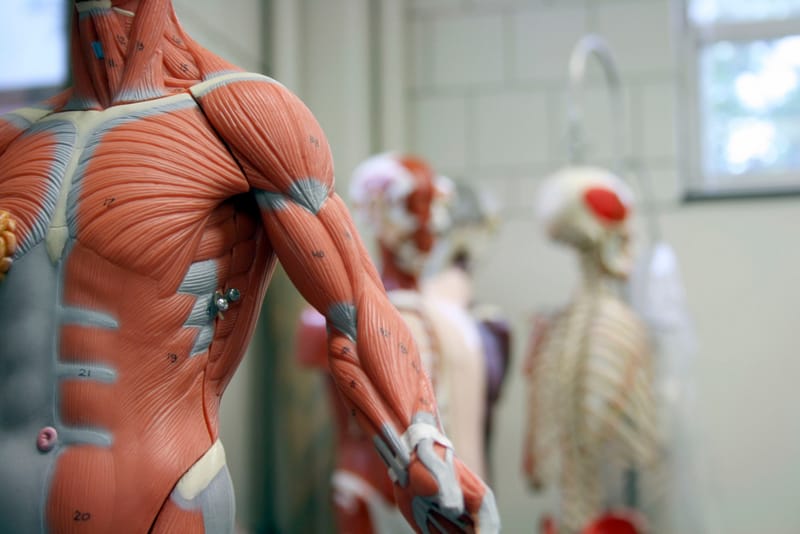
Advanced Anatomy and Fascial Systems
Develop a deeper understanding of the body and how movement is coordinated through fascial connections and muscular systems. Topics include: • Functional anatomy of the spine and pelvis • Fascial sling systems and load transfer • Core stabilisation systems • Cervical spine anatomy • Muscle function and movement integration This knowledge forms the foundation for understanding posture, movement dysfunction, and rehabilitation programming.
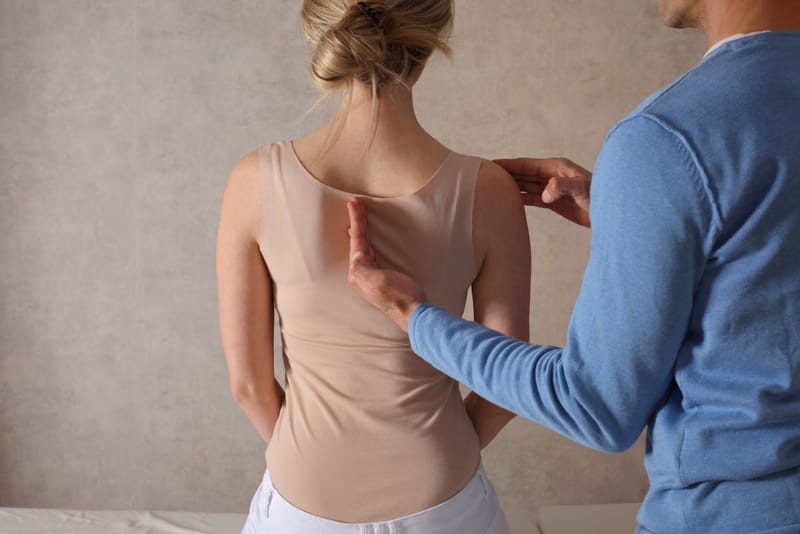
Posture and Movement Assessment
Learn how to observe and analyse movement patterns that influence injury risk and dysfunction. You will study: • Static posture assessment • Pelvic and ribcage positioning • Scapular mechanics and shoulder positioning • Movement observation and pattern recognition • Identifying compensations and imbalances These skills help inform safer and more effective programming decisions.
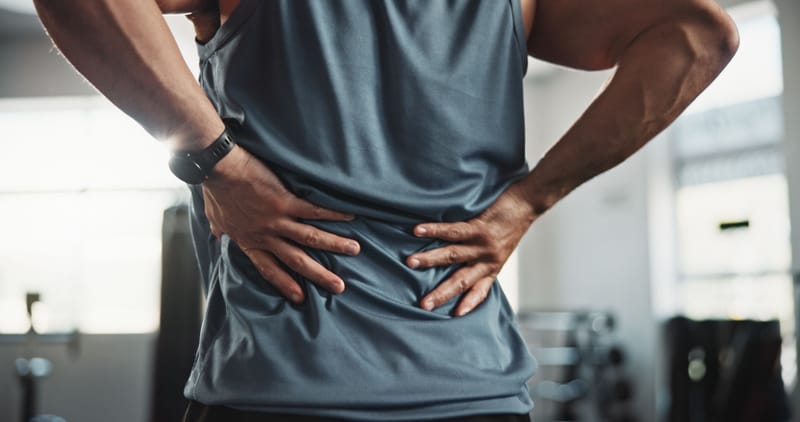
Musculoskeletal Conditions (MSK)
Explore common musculoskeletal presentations seen in Pilates environments. Topics include: • Low back pain and disc-related conditions • Neck pain and cervical dysfunction • Shoulder pathology and rotator cuff injuries • Hip dysfunction and gluteal tendinopathy • Joint degeneration and arthritis You will learn how these conditions influence movement and how Pilates can be adapted to support safe rehabilitation and recovery.
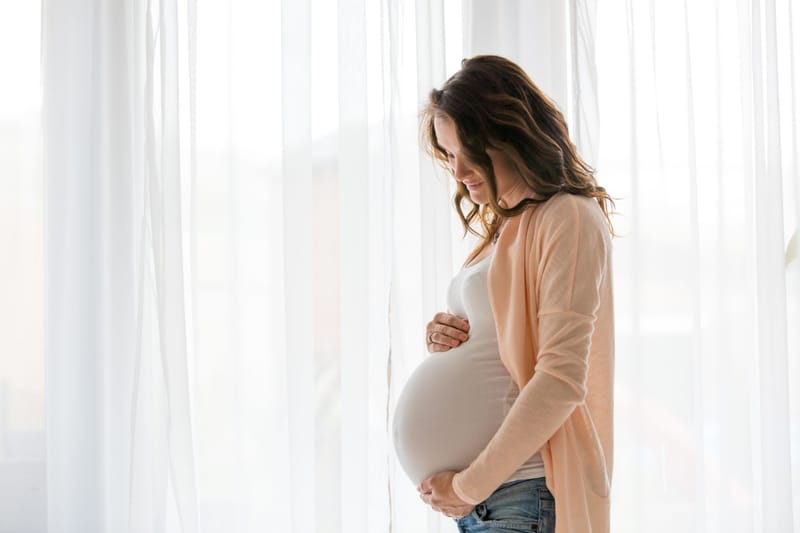
Pre and Postnatal, Pelvic Floor and Women's Health
Understand the physiological changes that occur during pregnancy and postpartum and how Pilates can support recovery and long-term pelvic health. Topics include: • Pelvic floor function and dysfunction • Diastasis recti • Pregnancy-related movement adaptations • Safe exercise progressions postpartum • Women's health considerations across the lifespan This module equips teachers to work confidently with pre and postnatal clients and those experiencing pelvic floor concerns.
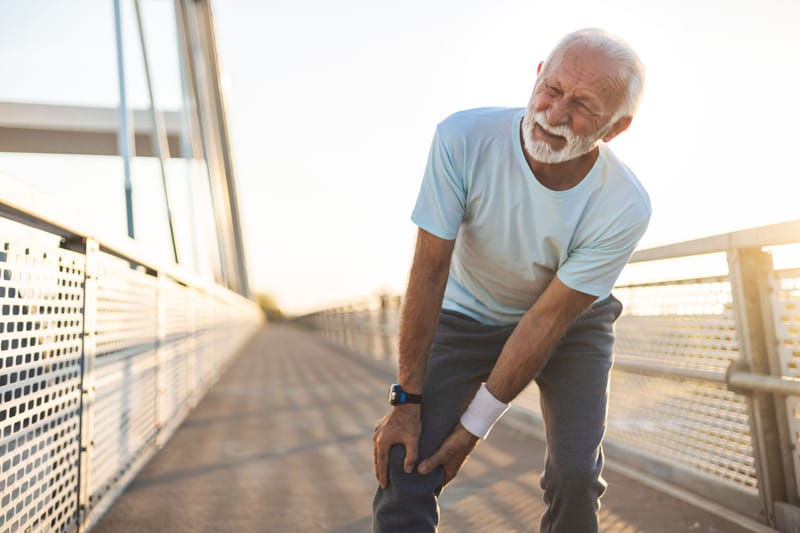
Older Adults and Chronic Conditions
Many Pilates teachers work with clients who are managing long-term conditions or age-related changes. This module explores: • Osteoporosis and bone health • Joint replacements • Balance and fall prevention • Age-related strength decline • Chronic conditions affecting movement and exercise tolerance You will learn how to adapt Pilates safely for older populations while supporting strength, mobility, and independence.