Level 4 Clinical Pilates
Practitioner Certification
A flexible, online professional qualification for Pilates teachers who want to develop clinical knowledge, rehabilitation skills, and the confidence to work with complex clients.
Many Pilates clients attend sessions because they are experiencing pain, recovering from injury, or managing long-term conditions. This programme equips teachers with the clinical knowledge, movement analysis skills, and programming strategies required to work safely and effectively with these clients.
Through a structured series of 26 online learning modules, supported by monthly live Q&A workshops, applied case studies and formal assessments, participants progressively develop the knowledge and confidence required to deliver clinically informed Pilates programmes.
The course is designed to fit around a busy teaching schedule, allowing teachers to study flexibly while maintaining the professional standards expected of a recognised certification.Participants typically complete the programme within 6–12 months, depending on how much time they dedicate to their studies.
Programme Snapshot
Duration
6–12 months (flexible)
Learning Format
26 online modules + monthly live mentoring workshops
Study Commitment
Approx. 120 hours total
Support
Monthly live Q&A sessions + student community
Assessments
Online exams + applied case studies
Certification
Level 4 Clinical Pilates Practitioner Certification
• Matwork or Reformer Pilates teachers
• Pilates instructors working with clients experiencing pain or injury
• Teachers who want to collaborate with physiotherapists or healthcare providers
• Instructors interested in rehabilitation-focused Pilates
• Teachers working with specialist populations such as older adults or pre and postnatal clients
Entry requirement:
Pilates Matwork or Reformer qualification.
Participants will learn how to:
• Understand how injuries and conditions influence movement
• Recognise postural patterns and compensations
• Modify exercises with clinical reasoning
• Structure progressive programmes for rehabilitation and long-term strength
• Work confidently with specialist populations
The aim is to move beyond simply teaching exercises and develop the skills required to apply Pilates in a clinically informed and rehabilitation-focused way.
What You Will Study
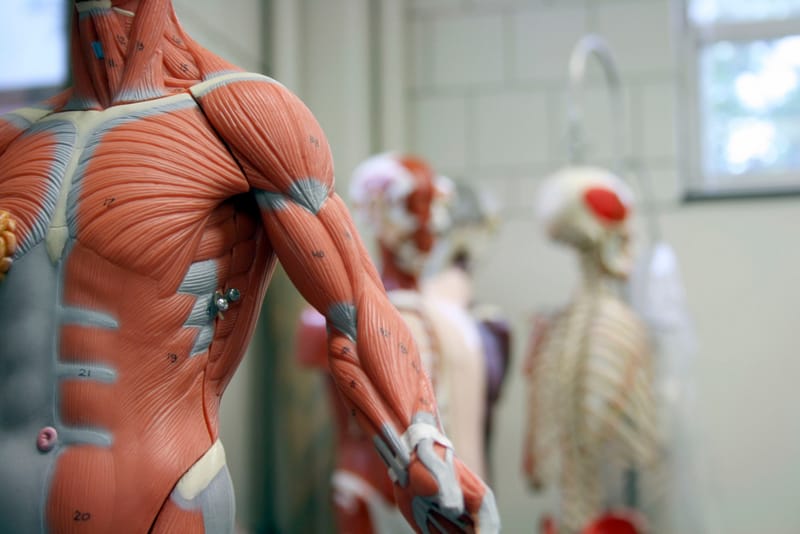
Advanced Anatomy and Fascial Systems
Develop a deeper understanding of the body and how movement is coordinated through fascial connections and muscular systems. Topics include: • Functional anatomy of the spine and pelvis • Fascial sling systems and load transfer • Core stabilisation systems • Cervical spine anatomy • Muscle function and movement integration This knowledge forms the foundation for understanding posture, movement dysfunction, and rehabilitation programming.

Posture and Movement Assessment
Learn how to observe and analyse movement patterns that influence injury risk and dysfunction. You will study: • Static posture assessment • Pelvic and ribcage positioning • Scapular mechanics and shoulder positioning • Movement observation and pattern recognition • Identifying compensations and imbalances These skills help inform safer and more effective programming decisions.

Musculoskeletal Conditions (MSK)
Explore common musculoskeletal presentations seen in Pilates environments. Topics include: • Low back pain and disc-related conditions • Neck pain and cervical dysfunction • Shoulder pathology and rotator cuff injuries • Hip dysfunction and gluteal tendinopathy • Joint degeneration and arthritis You will learn how these conditions influence movement and how Pilates can be adapted to support safe rehabilitation and recovery.

Pre and Postnatal, Pelvic Floor and Women's Health
Understand the physiological changes that occur during pregnancy and postpartum and how Pilates can support recovery and long-term pelvic health. Topics include: • Pelvic floor function and dysfunction • Diastasis recti • Pregnancy-related movement adaptations • Safe exercise progressions postpartum • Women's health considerations across the lifespan This module equips teachers to work confidently with pre and postnatal clients and those experiencing pelvic floor concerns.

Older Adults and Chronic Conditions
Many Pilates teachers work with clients who are managing long-term conditions or age-related changes. This module explores: • Osteoporosis and bone health • Joint replacements • Balance and fall prevention • Age-related strength decline • Chronic conditions affecting movement and exercise tolerance You will learn how to adapt Pilates safely for older populations while supporting strength, mobility, and independence.
Participants progress through 26 structured online modules, which include recorded lectures, reading materials, quizzes, and guided learning activities.
Students also have the opportunity to join monthly live workshops, which focus on discussion, mentoring and answering questions related to the course material.
These sessions provide the opportunity to:
• ask questions directly to your mentor
• discuss real client scenarios
• deepen understanding of key concepts
• gain additional guidance as you move through the programme
All workshops are recorded and available within the learning platform. Participants receive 12 months access to the programme and live workshop sessions, allowing them to study at their own pace.
Most students complete the programme within 6–12 months.
Learning activities throughout the programme include:
• online lectures and learning modules
• guided reading and study materials
• participation in live workshops
• independent study and revision
• applied case studies
• online examinations
The flexible structure allows participants to integrate their learning with real-world teaching experience while progressively developing their clinical Pilates knowledge and skills.
Assessments and Certification
To maintain high professional standards, the programme includes structured assessments throughout the year. Participants will complete:

Four Online Examinations
Timed online multiple-choice examinations designed to assess knowledge of anatomy, pathology, safety considerations, and programming principles.

Four Clinical Case Studies
Participants analyse real client presentations and design appropriate Pilates programmes. Case studies focus on applying knowledge in practical situations, including exercise modification, progression planning, and safety considerations.
• Work alongside physiotherapy clinics
• Develop rehabilitation-focused Pilates services
• Support clients recovering from injury
• Work with older adults and specialist populations
• Deliver workplace and occupational health programmes
The qualification also enhances credibility and confidence when working with clients experiencing pain or long-term conditions.
• Access to the full online learning programme (26 modules)
• Monthly live workshop mentoring sessions
• 12 months access to all learning materials
• Recorded lectures and resources
• Student learning community
• Online examinations and case study assessments
• Practitioner certification upon completion